Source Automatic Vertical Wall Uv Printer for Construction
Find 30 automatic vertical wall uv printer models for construction, renovation, and signage. Compare specifications like printing speed, nozzle options, and ink types to identify the right industrial solution for your business needs; compare the available evidence and request quotations based on your requirements.
Key considerations
Products List


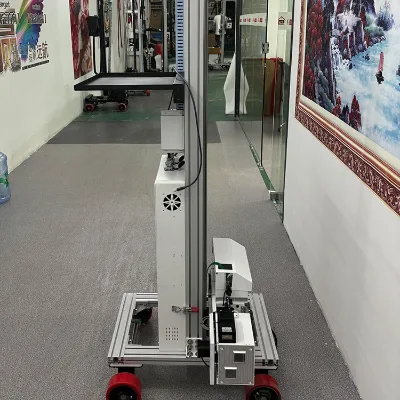
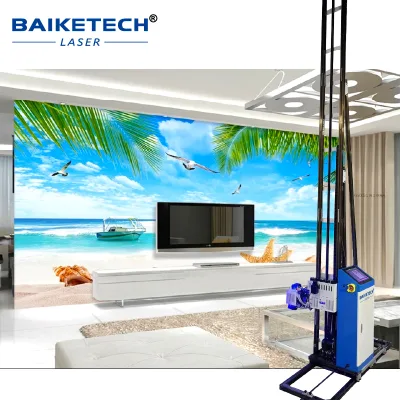
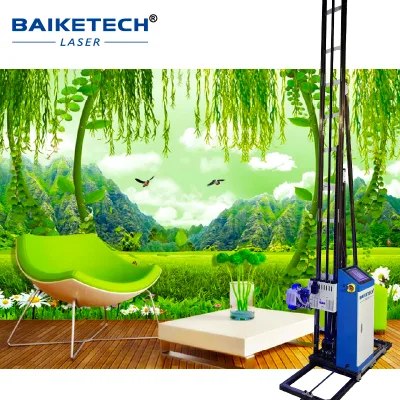
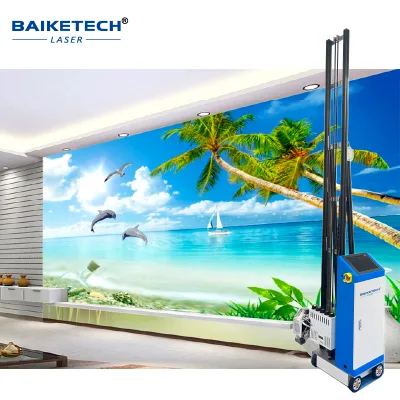
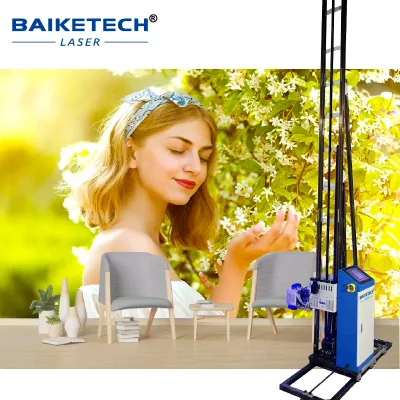
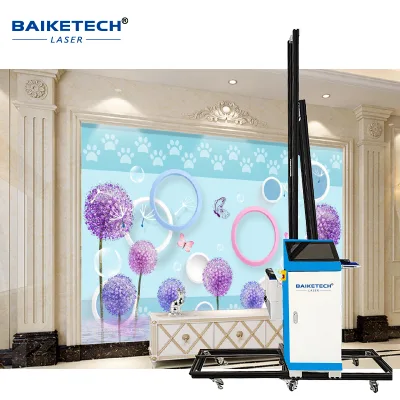

Comprehensive Sourcing Guide
Automatic Vertical Wall UV Printer Sourcing Guide
Procuring an automatic vertical wall UV printer requires distinguishing between general flatbed units and specialized vertical systems designed for large-format architectural surfaces. The observed market data indicates a specific subset of machinery featuring platen press structures and lithography printing capabilities, often configured with UV or water-based ink options to suit diverse substrate requirements. Buyers must verify that the observed "Automatic Grade" aligns with the intended workflow, as some listings describe semi-automatic features while others claim full automation for continuous vertical operation.
The core functionality of these machines often includes moving pulley or self-propelled track assembly methods, allowing the print head to traverse significant heights without manual intervention. Specifications such as a 2.5-meter height or unlimited width capabilities suggest these units are engineered for wall and floor applications where standard flatbed dimensions are insufficient. Sourcing decisions should prioritize models that explicitly support the required operating platform, such as Windows XP through Windows 11, to ensure seamless integration with existing design and RIP software environments.
Product Scope and Observed Listing Signals
Market listings for this category frequently display a wide variance in model identifiers, ranging from specific codes like KD260-2 to generic descriptors such as "Vertical Printer." Buyers should scrutinize the listed printing interface and speed metrics, as some entries cite USB2 connectivity with speeds of 7.5 CPI, while others claim production rates of 8 to 15 square meters per hour. This inconsistency highlights the need to validate whether the listed speed refers to draft mode or high-quality pass settings, which can vary significantly between 6, 8, or 12 pass configurations.
The physical footprint and packaging standards also vary, with some units described as fitting within a 159x92x48cm wooden case while others list dimensions of 700mm by 3000mm. Observations of multi-colour printing presses and specific nozzle configurations, such as 2 or 3 nozzles, indicate that the scope of available hardware is not uniform. Procurement teams must carefully map these observed signals to their specific production needs, ensuring that the "Arbitrary Width" or "L No Limited" claims are backed by the actual mechanical travel limits of the specific model under consideration.
Technical Specifications to Verify
Verification of the printing head and nozzle architecture is critical, as industrial-grade heads with special designs are often paired with specific ink types like Eco Solvent or UV ink. Buyers must confirm the compatibility of the ink system with the intended substrate, noting that some models support both UV and water-based inks while others are restricted to a single chemistry. The temperature operating range of -10 to 60 degrees Celsius is a vital specification for facilities in non-climate-controlled environments, ensuring the machine maintains print quality under varying thermal conditions.
Power consumption and system requirements also demand rigorous checking, with observed power ratings around 1.6kw and support for various Windows versions from XP to Windows 11. The assembly method, whether utilizing a moving pulley or self-steering fasteners, directly impacts the stability and precision of the vertical movement. Additionally, the printing accuracy of 720x2160dpi and the ability to adjust painting speed through high, medium, or low settings must be validated against the specific resolution and throughput demands of the buyer's production schedule.
Compliance and Safety Documentation
While specific certification names are not universally listed in the provided data, buyers must request documentation confirming that the electrical systems and mechanical safety features meet the standards of the destination country. The presence of a wireless touch screen interface and automatic ink extraction functions suggests advanced safety protocols, yet these features require formal validation to ensure they comply with local occupational health and safety regulations. Procurement teams should explicitly ask for proof of compliance regarding the aluminum-magnesium alloy frame structure and the overall machine stability during high-speed vertical traversal.
Safety documentation should also cover the handling of inks and the disposal of waste materials, particularly when UV or water-based inks are utilized. The observed shipping lead times of 7 to 15 working days and average production lead times of 3 to 7 days indicate a dynamic supply chain that may require specific logistical compliance checks. Buyers must ensure that the supplier provides clear instructions on the safe operation of the automatic grade features, including emergency stop procedures and the proper use of the self-propelled track systems to prevent mechanical failure or injury.
Cost Drivers and Commercial Terms
The price range observed in the market spans from 1 to 7999 USD, a variance that likely reflects differences in nozzle count, print head quality, and the extent of automation features. Buyers should be cautious of low-cost listings that may lack the industrial-grade components necessary for continuous vertical operation, such as the specialized nozzle designs or the robust frame structures observed in higher-tier models. The cost is heavily influenced by the inclusion of optional features like the 3-nozzle configuration or the specific operating system compatibility, which can significantly alter the total cost of ownership.
Commercial terms regarding packaging and shipping are equally critical, as some units are packed in wooden cases while others use standard sea freight packaging. The observed average lead time of 3 to 7 days for production and 7 to 15 working days for shipping suggests that inventory availability can fluctuate, impacting the overall project timeline. Buyers must clarify whether the quoted price includes the cost of the wooden box packaging and if the shipping terms cover the full delivery to the installation site, as the large dimensions of these vertical printers often incur additional freight charges.
Supplier Qualification and Quality Control
Supplier qualification should focus on their ability to provide consistent technical support for the complex assembly methods and software interfaces required by these machines. The presence of multiple model numbers and varying specifications indicates a need for a supplier who can clearly distinguish between different product tiers and provide accurate technical documentation for each. Buyers should verify the supplier's experience with the specific assembly methods, such as the moving pulley or self-steering fastener systems, to ensure they can offer effective troubleshooting and maintenance guidance.
Quality control processes must be validated through requests for factory audit reports or third-party inspection results, particularly regarding the structural integrity of the aluminum-magnesium alloy frames. The observed standard dimensions and weights, such as the 60kg specification for certain models, serve as baseline metrics for quality verification. Procurement teams should insist on pre-shipment inspections that confirm the machine's ability to operate within the specified temperature range and achieve the claimed printing accuracy, ensuring that the delivered unit matches the technical specifications provided in the initial listing.
Long-Term Procurement Checks
Long-term procurement success depends on the availability of spare parts and the supplier's commitment to software updates for the supported operating systems. Buyers should establish a clear agreement regarding the supply of nozzles, print heads, and ink systems, as these are consumable components that will require regular replacement. The observed support for various Windows versions suggests that software compatibility may evolve, necessitating a supplier who can provide ongoing firmware updates to maintain the machine's performance and security over time.
Maintenance protocols for the automatic ink extraction and self-propelled track systems must be clearly defined to prevent downtime and ensure consistent print quality. Buyers should verify the supplier's policy on warranty coverage for the mechanical and electrical components, particularly given the high-speed and high-precision nature of the vertical printing process. Establishing a long-term relationship with a supplier who understands the specific demands of wall and floor printing applications will be essential for maintaining operational efficiency and minimizing the risk of unexpected equipment failures.
FAQs
What customization options are available for this printer?
Customization is available for this automatic vertical wall uv printer to meet specific buyer needs. The machine supports multi-colour printing and offers optional nozzle configurations of two or three nozzles. Buyers can also select between UV or water-based ink types depending on their production requirements.
How fast can this machine print on vertical surfaces?
The production speed ranges from 8 to 15 square meters per hour for this automatic vertical wall uv printer. This capacity allows for efficient large-scale printing operations while maintaining high quality. The speed is adjustable and depends on the selected printing mode and ink type used during operation.
Which operating systems are supported by the control interface?
The system supports Windows XP, Windows 7, Windows 10, and Windows 11 for seamless operation. The interface includes a wireless touch screen for easy control and monitoring of the printing process. This compatibility ensures that users can integrate the machine with existing computer infrastructure without complex upgrades.
Can the printing size be adjusted for different wall heights?
Yes, the printing size is flexible with a height of up to 2.5 meters or 2000mm depending on the specific model. The width remains arbitrary or unlimited to accommodate various wall dimensions. This feature makes the automatic vertical wall uv printer suitable for diverse architectural and interior design applications.
What is the average lead time for delivery of this unit?
The average lead time for this automatic vertical wall uv printer is typically 3 to 7 days. Shipping arrangements are handled via sea freight or wooden case packaging to ensure safe transport. Buyers should note that specific delivery times may vary based on the final destination and logistics provider selected.
Which ink types are compatible with this printing machine?
This machine is compatible with both UV ink and water-based ink options for versatile material handling. The system also supports eco solvent ink for specific applications requiring different drying characteristics. Users can choose the ink type that best suits their substrate and desired finish quality.
How is the machine assembled and moved during operation?
The assembly method utilizes a moving pulley system with self-propelled tracks for smooth vertical movement. Some models feature self-steering fasteners to ensure stability during the printing process. This design allows the automatic vertical wall uv printer to operate efficiently on large vertical surfaces without manual repositioning.